According to social media, everyone has now become Chinese.
A trend where Western content creators adopt characteristics of Chinese culture, “Chinamaxxing” emerged in late 2025 after a viral tweet with the words “you’ve met me at a very Chinese time of my life” circulated the Internet. The post parodies the final line of the film Fight Club: “You’ve met me at a very strange time of my life,” and consists of wellness practices like drinking hot water, wearing slippers in the house and practicing tai chi.
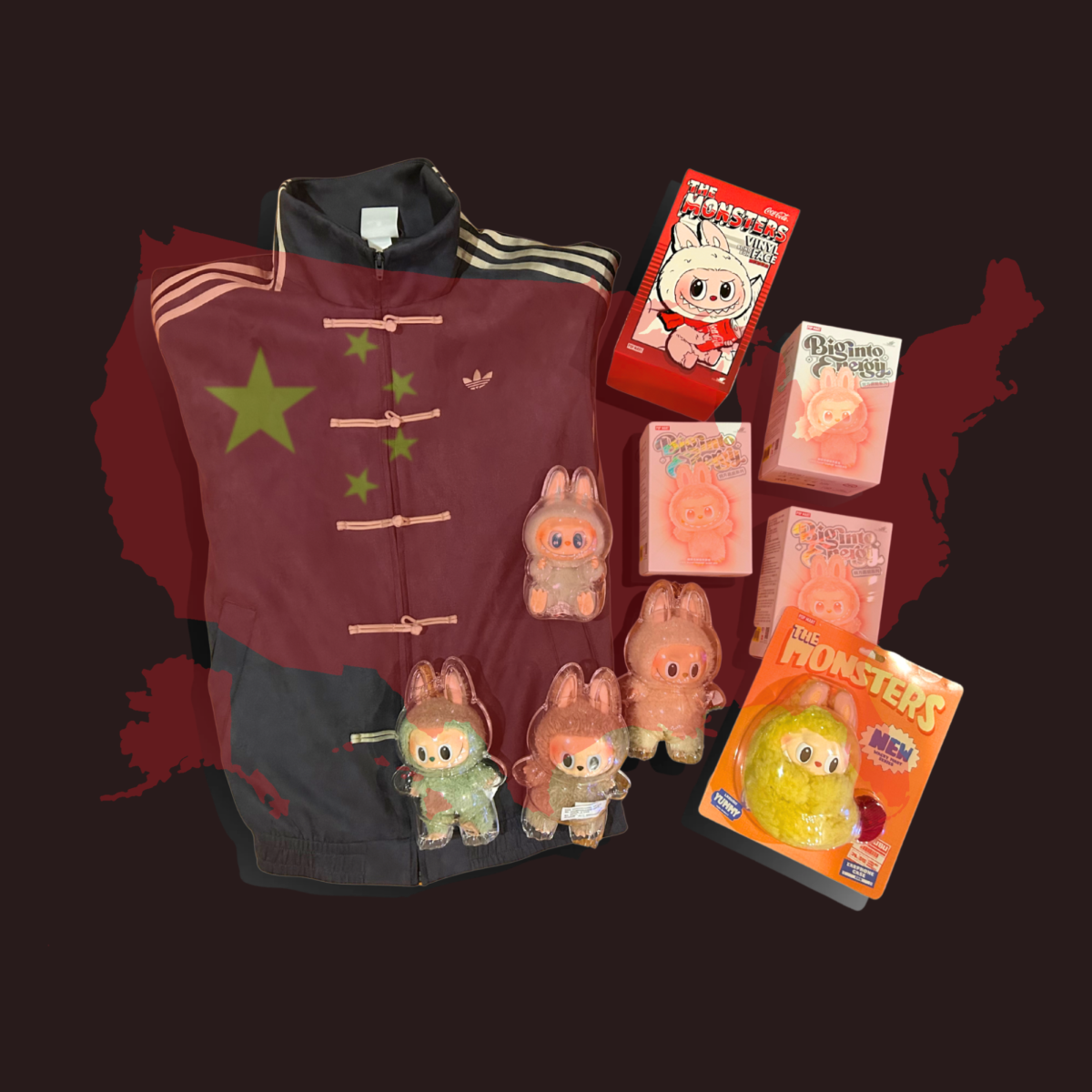
The appearance of this trend may be attributed to the growing saturation of East Asian representation in Western culture. Labubus, elf-like collectibles from the Chinese toy brand Pop Mart, sold over 400 million units in 2025. The Lunar New Year Adidas track top, commonly known as the “Chinese Adidas Jacket,” is making its rounds in the Chinese diaspora. The top is a nod to traditional Chinese ensembles from the Qing Dynasty.
Although trends are temporary, the exposure still remains. Contributing to China’s growth as a soft power, 27% of Americans have a favorable opinion on China—a 6% growth from 2025—and more Americans under 50 hold positive views of Chinese culture compared to those that are older than 50. Videos on “Chinamaxxing” are well received by the Chinese foreign ministry as a way to boost the country’s cultural image.
Senior Lydia Huang finds the rise of this trend refreshing.
“It’s nice to see an uptake of people recognizing Chinese culture,” Huang said. “I can share my own experiences and knowledge with them, and it makes me feel like they can understand me better.”
Most videos on “Chinamaxxing” are created by Chinese influencers, making videos seem less of a joke and more of a way to share their cultures.
Rather than racist imitations of Chinese phonology or the “bing chilling” meme, where celebrity John Cena mispronounces the Chinese translation of “ice cream,” the trend presents itself as educational rather than in a mocking manner.
Staff Writer Emily Xie has mixed feelings about the trend, as it glamorizes surface-level culture instead of honoring Chinese heritage.
“I’m not too optimistic about it because culture goes back so long,” Xie said. “It includes history, ancestry, food, all of it.”
Drinking hot water, for example, is a tradition adopted by Westerners after the rise of the “Chinamaxxing” trend. The history behind the practice, however, is lesser known—during the Zhou Dynasty 2500 years ago, it was believed that hot water expelled humidity from the body, acting as an effective medicine for the sick and elderly. During the 1862 cholera outbreak in Shanghai, civilians created the superstition that hot water carried healing properties after southerners drank boiled water to stop the disease from spreading.
Although she appreciates the embracement of her culture, Jewel, not her real name, says the sudden shift in Western perception feels like a “slap in the face.”
The idealization of Chinese culture is a stark contrast to the Covid pandemic six years ago, when hate crimes against Asians increased almost 340% in two years. In 2021, the “Stop Asian Hate” movement spread throughout the U.S. in response to growing sinophobia from the pandemic.
“It feels like we’re sweeping all of that prejudice and racism under the rug,” she said.
Jewel remembers how she felt ostracized in the weeks before the pandemic. While standing in the lunch line, a classmate would give her double the amount of hand sanitizer as the other students. On the playground during recess, some would play a game where they would see who could run the furthest away from the Chinese students, including Jewel.
“Racism doesn’t start from the outbreak of a disease that just happened to come from China,” she said. “You can’t forget what [Chinese people] faced during Covid.”
Jewel urges others to recognize the origins of popular products rather than blindly following a trend. Those interested in Chinese culture, she says, should experience it in all its forms, practices and history alike.
“While being Chinese is Instagram-worthy for some, it was a controversial identity for some of us not a long time ago,” she said. “We don’t get to choose at what point we’re Chinese and at what point we’re not.”