
NIL Collectives
Nico Iamaleava, the second-ranked quarterback in the class of 2023 coming out of high school (Warren HS, Long Beach, California), shocked the college football world when he transferred from the University of Tennessee to UCLA, leaving behind an $8 million Name, Image and Likeness Collective contract.
Despite not living up to the expectations of the multi-million dollar contract, he asked for more money, a request that eventually pushed him away from the University of Tennessee and toward a chance of winning a national championship.
NIL is a series of NCAA rules that allow collegiate athletes to receive money as part of brand deals and as a result of their athletic achievements. Athletes obtain this money in several ways: through NIL collectives, sponsorships and brand deals. Recently, NIL collectives have sparked controversy among both college sports fans and the NCAA.
When NIL was initiated in 2021, the NCAA established rules prohibiting schools from directly paying athletes to deter them from using payment to attract recruits. NIL Collectives came into play as a way to circumvent the NCAA restriction. These organizations use funds from alumni and booster clubs to directly pay athletes. Since they are not university programs, they are exempt from NCAA restrictions. As a result, top players sign multi-million dollar contracts with the NIL collectives.
NIL Collectives have ingrained a sense of greed into top athletes. There is no school loyalty, no team loyalty and no community loyalty: just dollar signs and performances. Iamaleava’s story isn’t a story of individual greed; it’s a reflection of a disturbing trend that is encapsulating the entire NCAA.
Prior to the NIL era, NCAA athletes were prohibited from making money from their personal brand. Players who received these “improper benefits” were punished by the NCAA. An infamous example is Reggie Bush, who was accused of receiving money and benefits from his agent. The NCAA stripped Bush of his Heisman trophy, a annual award given to the most outstanding college football player, and stripped USC of its National Championship because of the “improper benefits” he had received.
Looking back at this controversy through the lens of today’s collegiate sports landscape, the punishment given to Bush was incredibly harsh. Even in a time before NIL, this punishment took away the incredible accomplishments of both a team and an individual simply based on the mistakes of a young athlete.
All of this changed in the summer of 2021 when the NCAA altered its rules and allowed for collegiate athletes to profit off NIL deals. The implementation of NIL forever changed the landscape of the NCAA. It has single-handedly destroyed the idea of amateurism in college sports and paved the way for new possibilities and challenges.
Brand sponsorships
Along with NIL Collectives, the other piece of the NIL pie is brand and company sponsorships. Both national and local brands, from Nike to Raising Cane’s, sponsor collegiate athletes by giving them money and complimentary products. Some athletes even receive contracts worth millions of dollars.
Athletes, regardless of school and sport, can profit from NIL sponsorships purely based on their athletic achievement and individual brand. This is NIL in its truest form. This is what NIL was implemented for.
Sixty-seven percent of college sports fans support athletes receiving sponsorships and endorsements. A majority of the current fan controversy centers around NIL Collectives. Because NIL Collectives rely on donations, bigger programs with wealthy alumni are able to generate more money in the pool of the Collective, receiving millions of dollars a year from wealthy donors.
The truth is becoming more and more apparent: the more money in a school’s NIL collective, the more success that school will have in recruiting and encouraging transfers. No fan wants to see powerhouse teams like Alabama and Ohio State, who have deep alumni funds and support, win again and again just because they have more money than other schools.
Transfer incidents
This is where NIL Collectives are slowly turning this nightmare into reality. On top of fan controversy, there have been incidents regarding NIL Collectives that have led players to transfer out of schools.
At the University of Nevada, Las Vegas coach promised star quarterback Matthew Sluka a $100,000 one-year contract with the Friends Of UNLV NIL Collective. In late September 2024, Sluka transferred out three games into the season, reportedly because payments from UNLV’s NIL Collective never came through. The Collective brushed off this incident as a misunderstanding, claiming that no real deal was ever made.
That’s how easy it is to get someone to transfer in the modern NCAA. All coaches need to do is flaunt a big payout, and suddenly, that really good quarterback is theirs. This makes it just as easy to take advantage of players. Sluka wasted a full season to be scammed by the NIL Collective. His story emphasizes the greed of NIL Collectives and their problematic exploitation of players.
Stories like Sluka’s raise major concerns about NIL Collectives, but his is only one side of the story. NIL as a whole is not bad. There are countless examples of NIL impacting athletes’ lives in positive ways.
NIL has provided financial stability for athletes and their families. University of Nebraska basketball player Blaise Keita grew up in poverty in Africa. When he received a lucrative NIL deal in America, he lifted his family out of impoverished Bamako, Mali and moved them to the United States.
Keita’s story exemplifies the good that NIL money can do for the lives of the athletes and their families.
Following NIL’s implementation in 2021, many fans worried it wouldn’t be fair because only the top one percent of college athletes would make money. As most NIL opportunities are given to athletes with more exposure, athletes of more popular sports should, in theory, get more NIL opportunities. This would create a gap between the two sides and lead to an unbalanced distribution of money and opportunities.
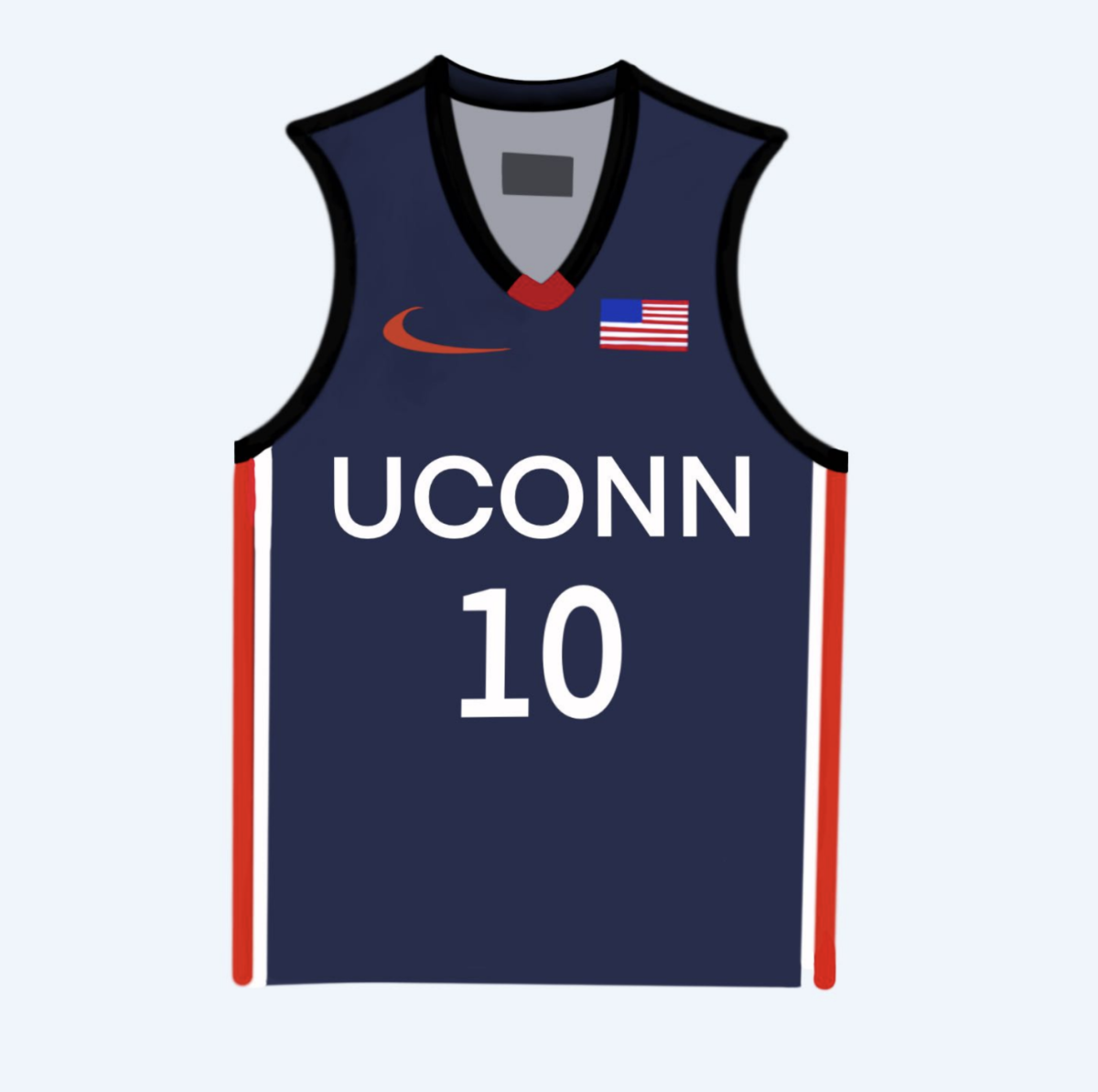
Thankfully, the opposite has happened. While the majority of money is going into big revenue sports like football and basketball, athletes of all sports are earning money. Many women have earned big money through NIL, such as Paige Bueckers, UConn women’s basketball star, who made $1.4 million in her final season of college basketball thanks to brand deals with Nike and Gatorade.
Yes, the million-dollar contracts and brand deals are for the most part happening only in football and basketball, but all collegiate athletes, regardless of sport and gender, have opportunities to benefit from NIL.
The reason I, and so many others, love college sports is because of the sense of community. College teams are communities of diehard fans who want to see nothing more than their school win. There is no incentive of money for players, just the chase of glory. NIL Collectives are destroying this idea of community. They are spoiling the community-driven aspects of college athletics with the transactional nature of professional sports. Players should play for a school because they want to win for their community, not for the pay. Destroying the sense of community that college sports possess would be to destroy all that makes them special.
NIL is not inherently bad. In fact, its intentions are the exact opposite. Where NIL goes wrong is in its execution, specifically with NIL Collectives. The structure of NIL Collectives needs to be changed. The fix should not be to outright prohibit the operation of NIL Collectives. Collectives are run by rich and powerful individuals who want to see their school’s teams succeed. New loopholes will come up, leading to a system more harmful than NIL Collectives.
The NCAA needs to put regulations in place to ensure that there is both protection of player rights and equity among university programs. Only then will the NCAA achieve what they set out to do with the implementation of NIL while preserving all that makes college sports so special.