
Tired of driving 20 minutes just to order his favorite matcha drink every day, sophomore Joshua Jones took matters into his own hands and ordered a full kilogram of matcha powder, which he stores in his freezer.
Matcha, a fine green powder, originated from East Asia. It is made of shade-grown green tea leaves which are steamed, dried and finely ground. Green tea leaves were originally grown in China until the 14th century, when they were introduced to Japan. Matcha has since become a symbol of Japanese culture, with special matcha cultivation rituals becoming an established tradition.
Matcha ultimately made its way to the west, now appearing in many types of drinks and desserts, ranging from lattes to ice cream and often paired with flavors like strawberry or lavender. Its popularity is largely due to its globalization through social media, especially gaining traction in the United States. According to Forbes, the matcha market is expected to grow to $5 billion by 2028, a 10% increase from 2023.
Senior and president of the East Asian Affinity Group Jayden Chen has witnessed this rise in popularity for himself.
“A large part of it has to do with social media trends. It’s just visually appealing with its bright green color, and it makes for aesthetic pictures and content to post on social media platforms,” Chen said.
An inherently East Asian drink, matcha’s rise is also correlated with a wave of interest in East Asian culture on social media over the past decade. Over the last few years, aspects of East Asian culture such as skincare, anime and K-pop have become more popular on the international scale. Chen believes matcha fits that trend, and as a result, has shifted from a traditional symbol of heritage to a more popularized and mainstream drink.
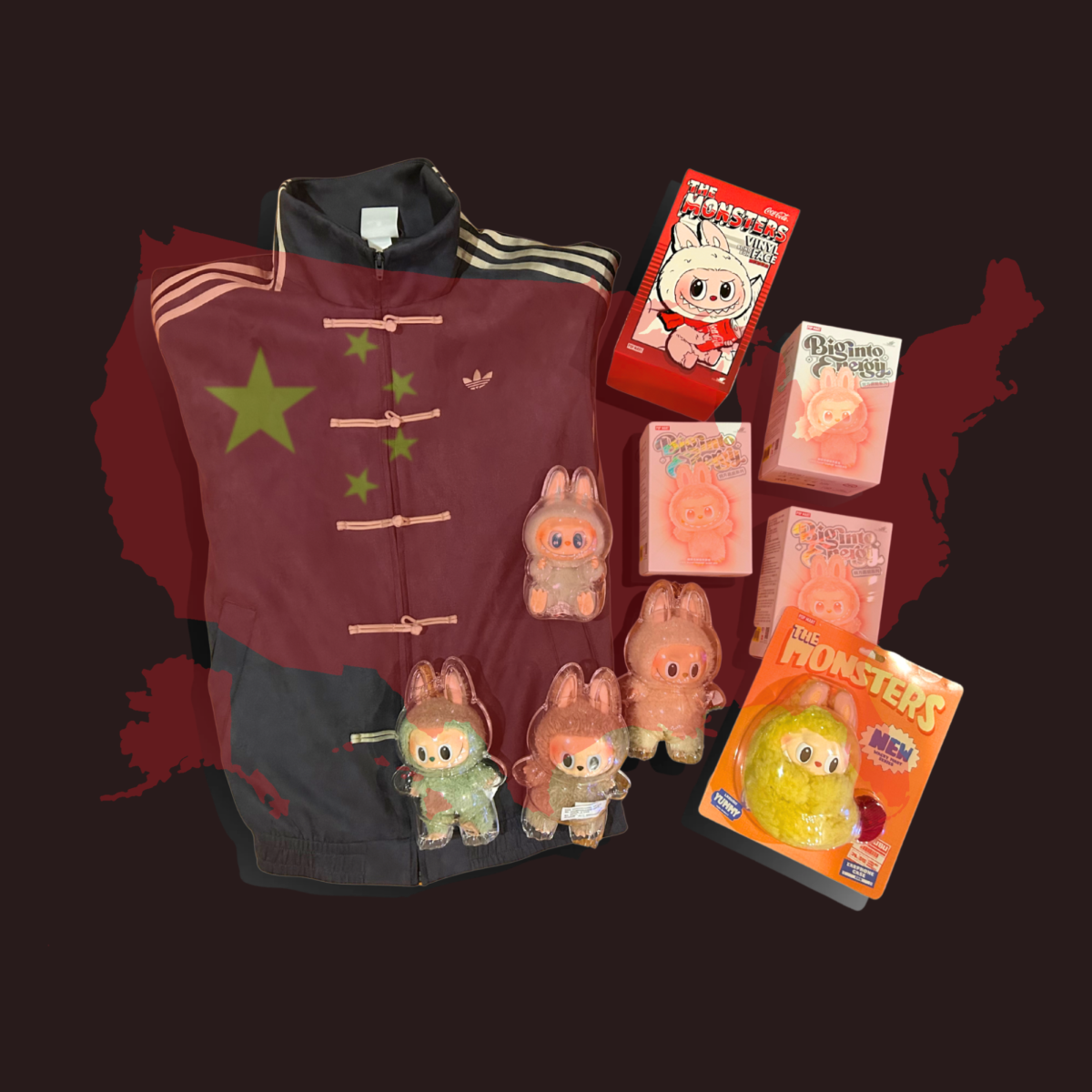
“There’s this kind of stereotype surrounding matcha that’s associated with East Asian culture and high-end luxury products, which has led to things like the Labubu craze being closely tied to the drink,” Chen said.
But matcha is not just another viral product; it actually has numerous health benefits. Unlike most other tea drinks, matcha is made by dissolving ground powder in water rather than soaking leaves.
According to Harvard Health, matcha contains antioxidants that may carry a range of health benefits. It holds about the same amount of caffeine as a cup of coffee, yet it takes longer to kick in.
Yet, the taste of the drink largely depends on the quality of the tea powder. Expensive matcha usually comes from tea leaves that have been shaded for longer, which increases chlorophyll content within the leaves. Cheaper matcha, on the other hand, is shaded for a shorter time and tastes more bitter.
“I’ve had awful matcha that just tasted too milky, and I’ve had really good matcha prepared correctly,” Jones said.
But Jones enjoys the process of preparing the drink, which involves using a specialized whisk, just as much as drinking matcha itself.Despite its prevalence, not everyone who has tried the drink enjoys it.
“Matcha is very hit or miss,” Jones said. “I’ve never met someone who felt neutral about it.”
Chen says that matcha’s unique, grassy flavor tends to divide opinions. Although he finds it bitter and distinct from other fruit-based teas, Chen enjoys the drink.
Either way, Chen recommends that people try both modernized matcha drinks, such as matcha milk tea, as well as traditionally prepared matcha.
Matcha’s popularity also has its downsides. Retail matcha sales have increased by 86% over the last three years, a number that has put strain on the demand for fine-processed matcha in Japan. Heatwaves from the past few years have impacted matcha production, while this year’s increased tariffs with Japan have also hiked up export prices.
This past summer, the skyrocketing popularity of matcha resulted in a global supply problem, with Ippodo and Marukyu Koyamaen—two well-known matcha companies—stopping the sale of certain types of the tea due to short supplies.
How the matcha industry will respond or recover has yet to be seen. Until then, the tea will continue to take over the menus of local cafes across the country.