
When it comes to Labubus, sophomore Ailey Takashima has a gambling addiction.
“It’s gambling essentially. You buy a lot, you open them all up and if you don’t get what you want, then you’re gonna buy more,” Takashima said.
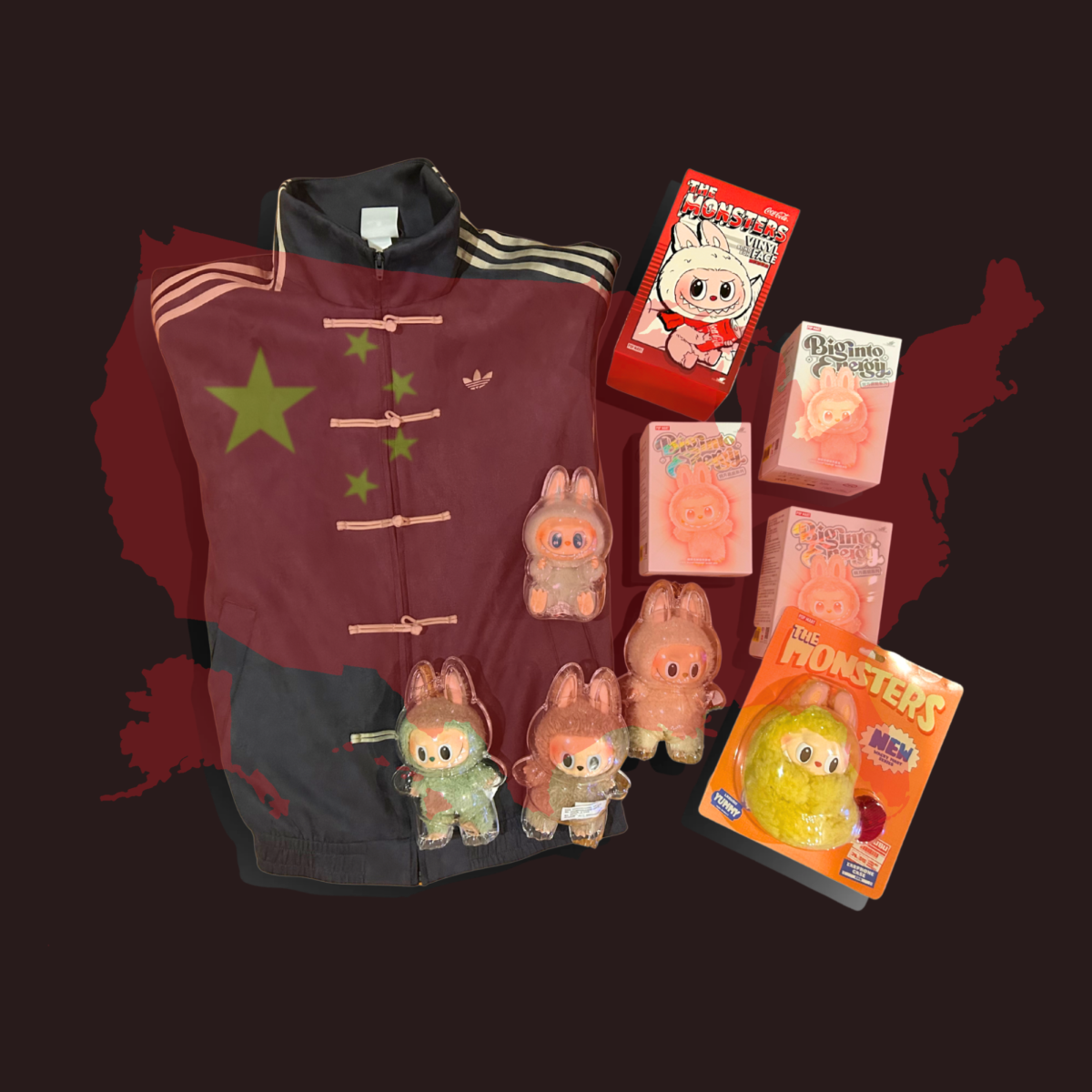
Millions of others joined Takashima in buying these fuzzy creatures. Labubus, sold by Chinese company Pop Mart, have exploded into a $670 million market. Takashima herself grew her own collection to more than 30 Labubus over two weeks on her recent trip to Japan and Taiwan. Takashima entered Japan interested and eager to buy Labubus, but left bewildered.
“The line was around the block, like five, 10 blocks down and we were walking, trying to find the end,” Takashima said.
Thankfully, she found them in Taiwan, finally attaining her collection, including special edition Labubus such as the Fall in Wild Labubu or the Exciting Macaron series secret.
Labubus are one of the many microtrends to gain popularity this summer. Originating from an illustrated book by Kasing Lung, Labubus eventually became collectible figures distributed by Pop Mart that recently started to gain enormous popularity. Most note that they heard about Labubus from social media, but Takashima first heard about it from her sister.
“After that I just started noticing it all over my For You page again,” Takashima said. “I was like ‘Wow, so many people have them; I want one.’”
According to Forbes, the elf-like monsters range from around $27.99 for a blind box, to over $10,000 for rare or limited-edition figures. The price tag has led to fans turning to counterfeit Labubus, known as “Lafufus,” which often have a different number of teeth, ears that stand further apart or patchy fur.
Those who are not on social media are oblivious to these trends, such as older generations. Upper School psychology teacher Amy Malin had never heard about Labubus, notes the popularity of Labubus especially among younger generations.
“If people are spending a lot of time on social media, then they are being exposed to a multitude of trends, and they don’t want to miss out,” Malin said. “So to build that connection with other people, they participate in those trends.”
Malin says that there are more factors contributing to the rise of this specific microtrend. Malin believes the fear of missing out, commonly known as FOMO, is a prevalent concern when it comes to microtrends.
“One of our core needs is belongingness. And one of the ways in which we can foster that sense of belonging is to do what others are doing,” Malin said. “In developmentally teenage years, that’s when belonging is really important.”
From Labubus to Lafufus, people want a way to belong, fake or not.