

Before the first carrier, senior Joe Dalicandro is already peeling breakfast as if it were a part of training. Six hard-boiled eggs. Crack, peel, bite, repeat, until the plate is empty and the trash is full of shells. For Dalicandro, it’s fuel. For everyone else watching, it is a snapshot of a bigger shift in what “healthy” is supposed to look like.
Protein is no longer just a gym buzzword. Fast food chains and coffee shops are marketing protein drinks and protein bowls, and “high-protein” has become a selling point in the same way “low-fat” once was. For students, it shows up in menus, ads and packed lunches; it feeds a culture that treats protein as the hero and carbs as the villain.
A three-sport athlete in football, swimming and track, Dalicandro began paying closer attention to what he ate as a freshman after long practices revealed the detrimental effects of junk food. Protein, he said, matters for strength and recovery, but it is not the only thing that counts.
“Carbs are important at different times for your performance,” Dalicandro said. “Immediately before or after a practice, meet or a race, carbs are good there.”
His daily routine is balanced: a quick carb-filled snack before practice, eggs and more carbs after, then whatever lunch and dinner allow. “It’s really just maintaining an amount that makes me feel good and feel like I can perform adequately,” he said. Yet that balance is easy to lose in the larger culture surrounding protein. Junior Graham Johnson, a tennis player, said he focuses on protein “to ultimately build muscle and lead a healthier lifestyle,” but he also sees how the trend becomes over-emphasized.
“A lot of people entirely exaggerate their protein intake in order to achieve unrealistic body goals and to look a certain way,” Johnson said. “I don’t think it’s realistic to eat 200-250 grams of protein on a daily basis.”
Johnson advises everyone to balance their diets with protein, carbohydrates, vegetables and other nutrient-rich foods rather than consuming excessive amounts of protein.
Due to the rise of social media trends that promote harmful beauty standards, many men consume large amounts of protein through protein shakes or supplements to achieve a more muscular physique. Online communities promoting “looksmaxxing” ideals glorify a lean, athletic body with broad shoulders and a big chest, pressuring young men to attain these goals through high-protein diets.
“The entire looksmaxxing community is very toxic, and its root is, I believe, toxic masculinity, and it is a problem,” Johnson said.
On social media, protein has become a status symbol, and influencers constantly present “high-protein” orders as if they are automatically healthier, encouraging swaps such as grilled options, extra meat and protein add-ons.
“High-protein” has turned into a marketing label. Items like the 12-count grilled nuggets and grilled chicken sandwiches from Chick-fil-A are often promoted as healthier and more protein-packed than their fried alternatives. Chains like Starbucks have created high-protein lattes and cold foams, and Chipotle unveiled its first-ever high-protein menu in December, which includes cups consisting of only meat.
National nutrition messaging has also shifted toward protein in ways that echo what students see online. The U.S. Health and Human Services Secretary Robert F. Kennedy Jr. has introduced a new food pyramid that emphasizes red meat, whole milk and other animal sources of protein over plant-based options. The updated federal dietary guidelines encourage Americans to prioritize protein, recommending daily intakes of up to twice the previous recommendations.
But the obsession isn’t limited to influencers or menus. It shows up in how students train, cut and bulk. Junior Eric Liu, a student weightlifter, echoed that protein can be useful, but said it depends on goals and timing. “When in season, I feel like protein generally helps me in my recovery process and strength building.”
On a cut, or caloric deficit, Liu says he usually cuts down on carbs because they make up “a sizable portion” of calories, but he still uses carbs for energy before long workouts.
National messaging has also started to echo the protein-first language students see online. But regardless of who is promoting it, the message lands the same: more protein, fewer carbs.
Boys volleyball, track and field, and swim and dive coach Ben Pressley says protein’s popularity among teens is not random; it is actively being sold to them.
“It’s been marketed towards kids,” Pressley said. “With training content everywhere on social media, teenagers have become a prime target audience because companies know they can profit off students chasing performance and appearance.”
Another appealing myth of fueling diet culture is the idea of quick fixes.
“A diet is a short-term change,” he said. “In reality, there needs to be a change in your nutrition habits over the long term. That’s where the real progress is actually going to happen.”
While protein can play a role in building lean mass, Pressley warns students of getting pulled into extremes—treating one nutrient like the answer and cutting everything else out. Instead, Pressley emphasizes balance, especially for growing athletes.
“The most important thing for nutrition is moderation and discipline,” he said. “So you’re not too far leaning into only taking in protein and not getting in carbohydrates or fats, because those are needed as well for a growing, healthy body.”
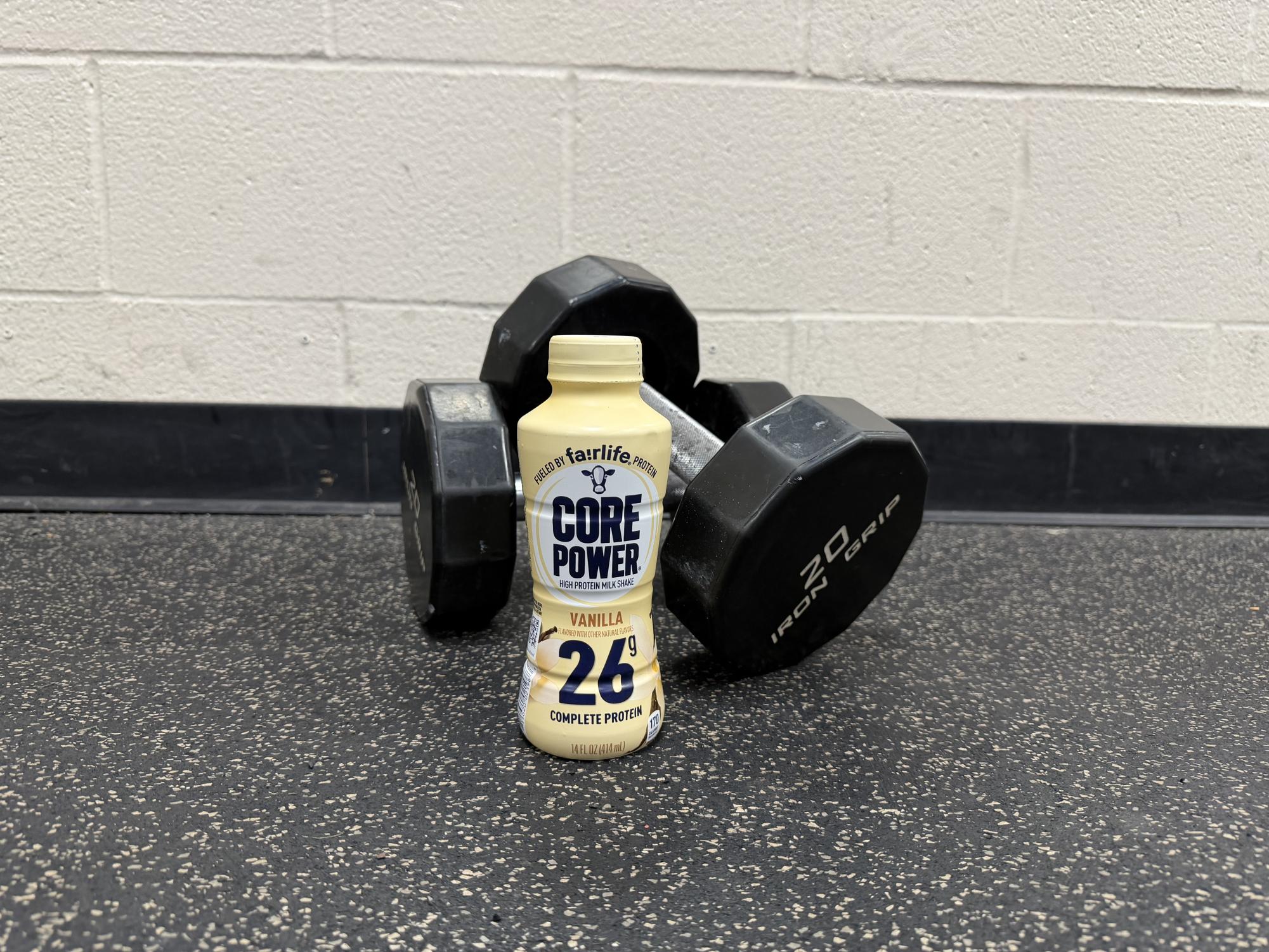
He added that discipline with sugar matters too, since it is easy for students to overdo sodas, candy, and other sweets without thinking much about it. Pressley recommends students get protein from meals more than from drinks, though he understands why protein products are popular.
“You can get your protein from supplements, but whole foods are always going to be better,” he said. “Choose foods like fish, chicken, tofu and vegetables over “processed” options and fast food.”
In a culture where protein is marketed as a shortcut and carbs are often treated like the enemy, students can lose sight of what their bodies need.