Throughout senior Adaline Thompson’s childhood, she never remembered having many snow days, except for once in second grade. Recently, she noticed a lot more.
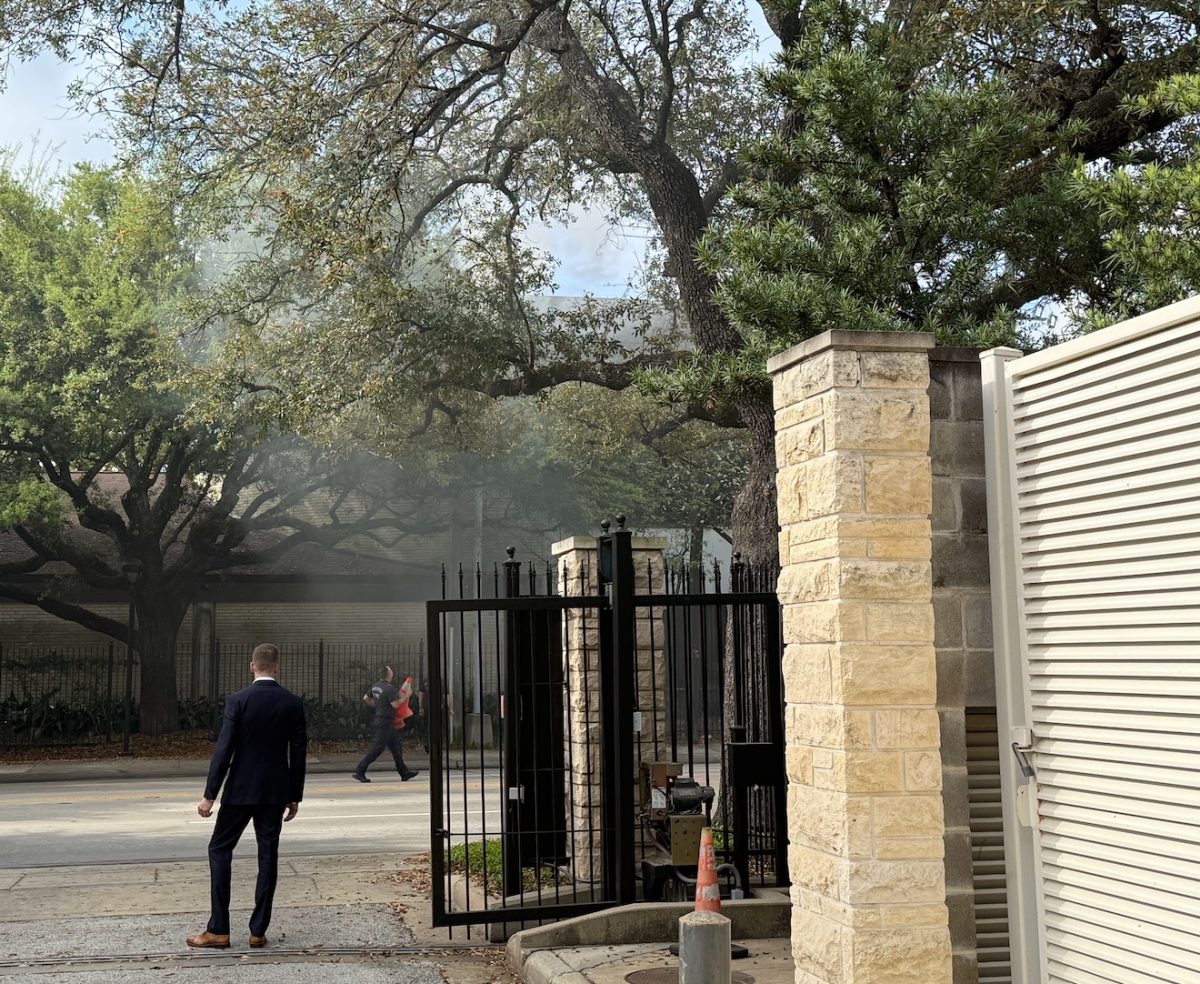
In the past couple of years, Texas experienced one of its most extreme weather years, with record-breaking heat reaching 109 degrees, the May Houston derecho and Hurricane Beryl. This past January, Houston faced Winter Storm Enzo, which caused the School to close for two additional days.
“We had that terrible windstorm that knocked out a lot of the windows, something I have never heard of,” Thompson said.
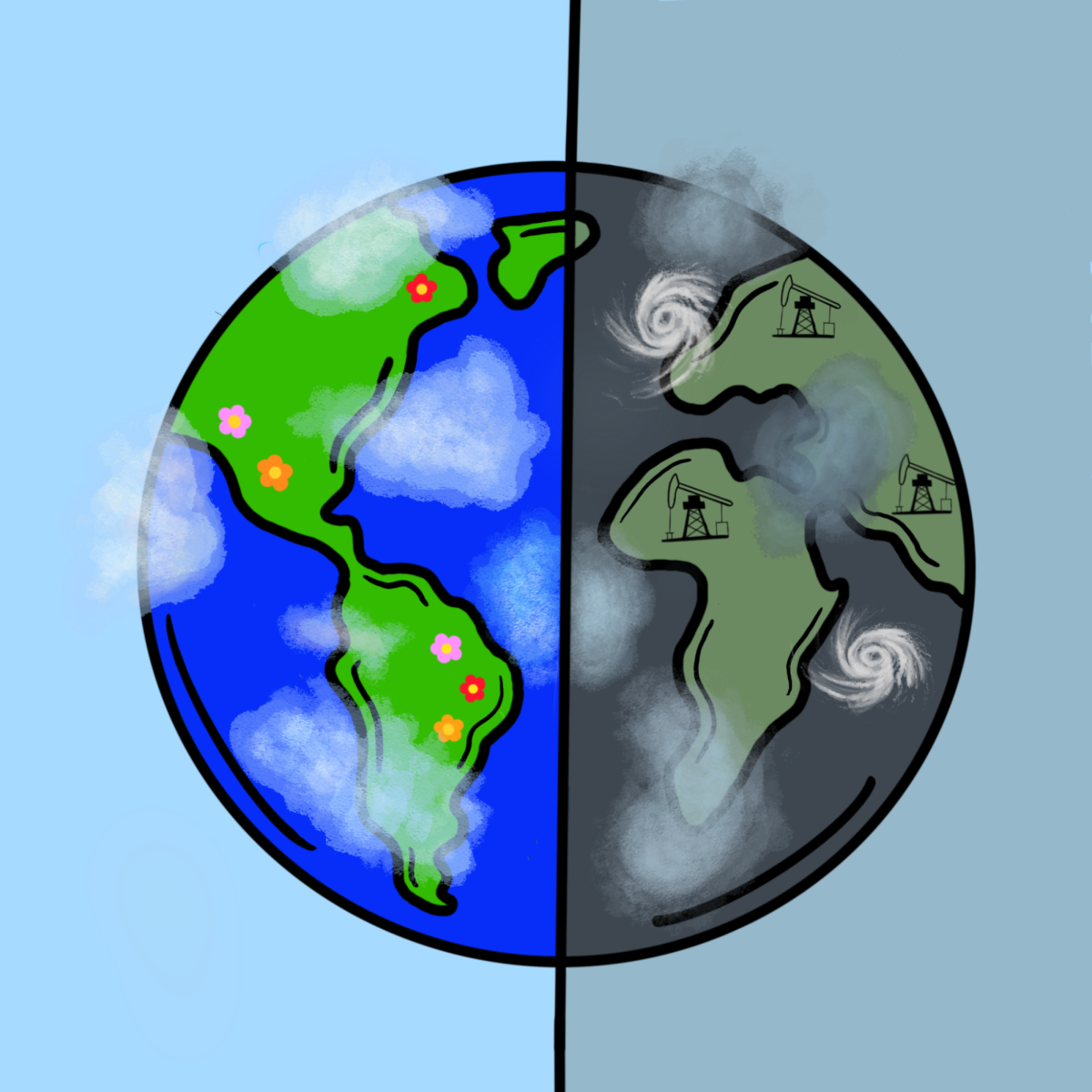
Senior Abi Balachandran has also noticed the rapidly changing climate. As president of the Environmental Coalition of Students, she attributes these volatile and uncommon weather events to pollution.
“With global warming and climate change advancing, we will have more extreme weather events and especially weather storms,” Balachandran said. “Their impact gets amplified as climate change keeps progressing, and it can really hurt us and make it worse.”
Upper School science teacher Carter Spires says severe weather must be put in context, and individual disasters cannot be guaranteed to be only caused by climate change.
“However, that doesn’t mean there isn’t a great deal of urgency to change our approach to energy and the environment and policy.”
Regardless of the causes, the three agree that change is necessary. Below are several improvements that Spires, Balachandran and Thompson advocate for to further protect the environment.
- Establishing defrosting and draining systems in the community
“We as individuals should stock up on non-perishables and always keep your devices charged before a potential power outage occurs; we should also recycle everything that needs to be recycled, even if it is more work,” Thompson said.
- Preventing coastal damage through technological advancements
“There has been a longstanding push to build some sort of coastal levee to prevent storm surges from coming,” Spires said. “A project like that would have a high upfront cost, but it would likely both save lives and prevent greater economic losses due to storm damage in the future.”
- Reducing plastic use
“We should reduce plastic utensils, not waste food and other small things,” Balachandran said. “At ECOS, we do a lot of Earth Week-related activities, so we try to put an emphasis on that.”
According to Balachandran, all of these suggestions will positively impact the community and even the globe as a whole.
“It starts with us doing our part to help the environment,” Balachandran said.