In the middle of AP Calculus, Sonia Chilukuri was focused on a different type of math than the review worksheet in front of her. She had only one hour left to buy two Noah Kahan “The Great Divide Tour” tickets for her friends.
And, she was 13000th in the Ticketmaster presale queue.
“It was really stressful,” Chilukuri said. “I was doing my calculus while watching my queue number.”
Right before class let out, Chilukuri managed to buy the tickets. Before this incident, the live music aficionado already spent multiple mornings, sometimes during school, trying to be the first in the presale line for different concerts. She did not want to buy resale tickets at Ticketmaster’s outrageous prices.
Over the past five years, Ticketmaster, an online ticket-selling platform under the parent company Live Nation Entertainment, has been involved in controversy after controversy, including a 2024 lawsuit about its schemes to profit off of illegal ticket resale strategies. The Federal Trade Commission alleged that Ticketmaster allowed brokers to place “substantial” markups on tickets, and the company profited around 3.7 billion dollars on high resale prices.
“Concerts are supposed to be something that everyone can go to and bond over,” Chikuluri said. “They shouldn’t be something that just privileged people can go to.”
On April 15 this year, the final verdict of a seven-week trial showed that Ticketmaster’s influence extended beyond high resale prices. 33 states and Washington D.C. sued Live Nation, accusing it of monopolizing the live music business. A group of Democratic senators who had been following the case wrote in a letter that “Live Nation controls 80% of the major concert amphitheatres market,” leaving room for no other major competitors. Live Nation denied the accusations throughout the trial.
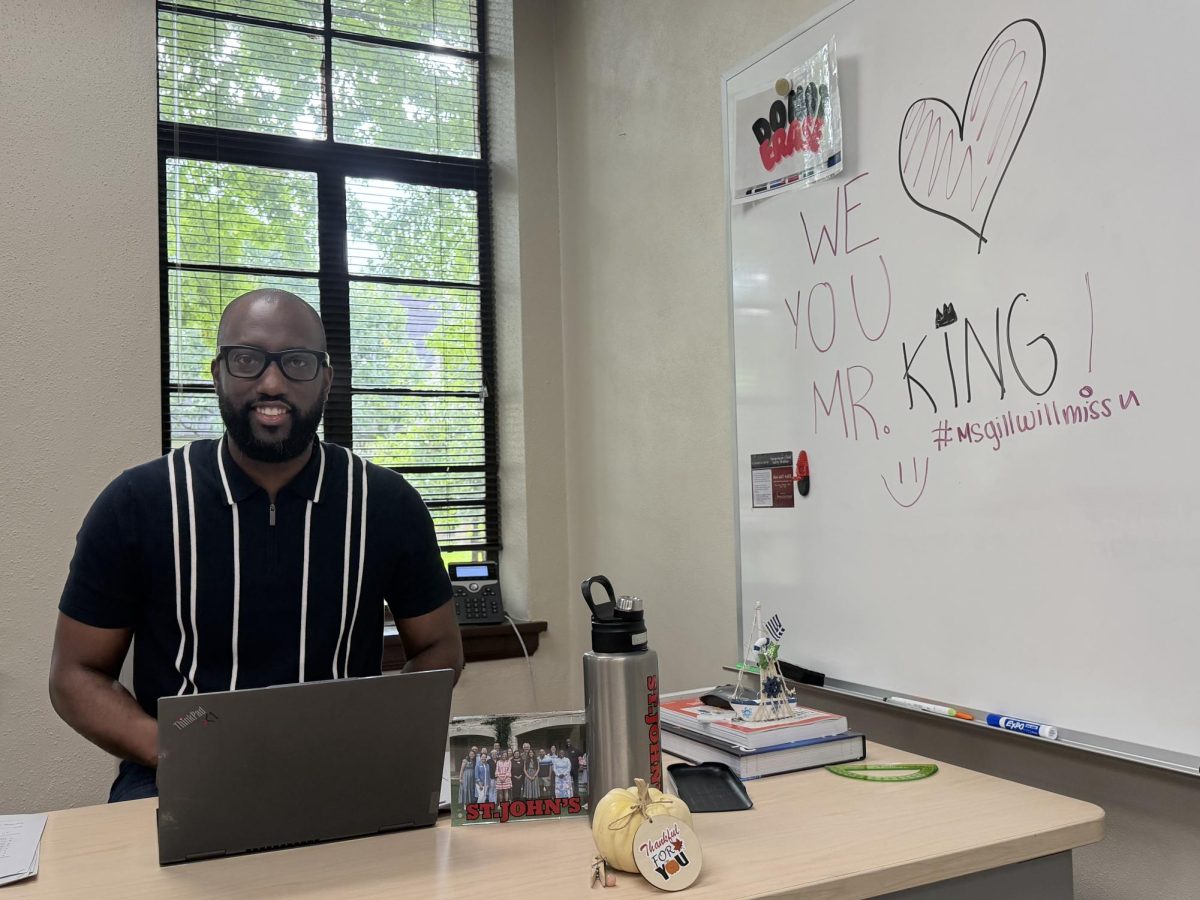
The federal jury found Live Nation guilty of being a monopoly and overcharging customers by about $1.72 per ticket in 21 states. Upper School math teacher and avid concert attendee Garvin Gaston (‘99) has always perceived a “weird juxtaposition” in buying tickets through a large corporation to go watch artistic performances. She feels that the verdict reflected her experiences with Ticketmaster.
“I don’t love it when we are given one option, and that one option isn’t good,” Gaston said. “They’ve taken everything, brought it in, and they have big walls around it.”
Among the many frustrations Gaston has with Ticketmaster is how quickly tickets sell out, as well as the expensive nosebleed seats. She gets a “skin-crawling feeling” when she buys from Ticketmaster; an ideal alternative, for her, would be if venues sold tickets directly to consumers.
When Gaston was in high school, she would buy concert tickets at a small window in the Fiesta grocery store. The tickets were cheaper and more directly connected to the venues that the artist performed at. In general, Gaston enjoys attending concerts at local venues featuring smaller artists.
“I do think that there is a lot of value in the newer, scrappier musicians who are not quite famous yet because Ticketmaster hasn’t gotten their claws in them,” she said.
Despite the final decision in the lawsuit, experts do not think that the verdict will definitively lead to lower ticket prices or the breakup of Live Nation and Ticketmaster. Gaston also does not think that the case will lead to significant repercussions for the companies.
“I don’t think anything terrible is going to happen to them,” Gaston said. “I would be surprised if we saw any substantial changes in the model of how ticket buying works.”
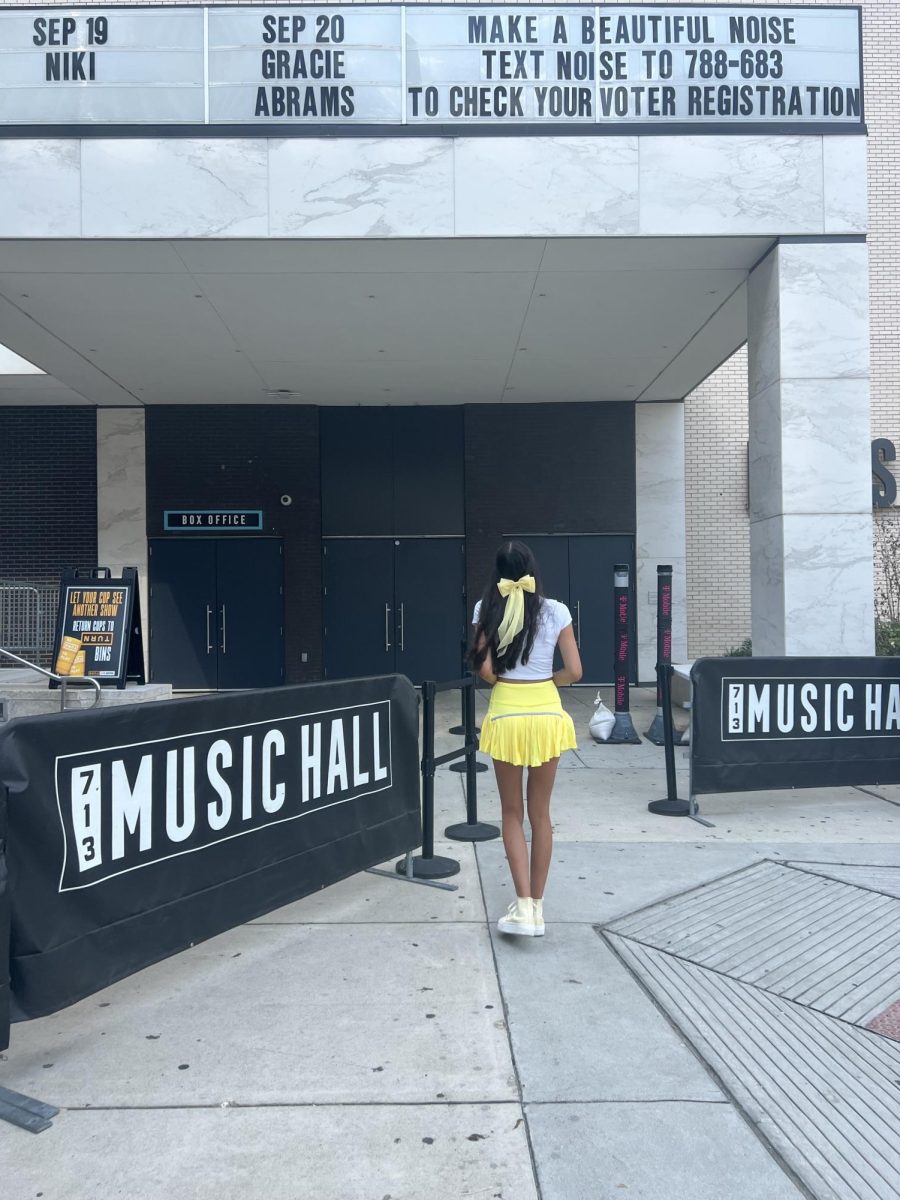
Sophomore Colin Kelly is unconcerned with the potential outcomes of the case because he avoids buying from Ticketmaster unless an artist that he desperately wants to see is only selling through the platform. Otherwise, Kelly relies on an app called DICE to find his next show. DICE offers tickets for local shows at “pretty reasonable prices,” according to Kelly.
“DICE is nice because it introduces me to a lot of artists I wouldn’t find if I was using Ticketmaster,” he said.
Kelly found his new favorite band, Junkyard Cats, through DICE. He’s been to their shows three times.
Each ticket cost only $15.