
They wear suits and blazers during the day. Inside a calm, air-conditioned classroom, they guide students through history, literature and critical thinking. But as soon as the clock strikes 3:35 p.m., that professional uniform is traded for golf polos, field hockey sticks and soccer cleats. They step outside, into the beating sun or biting cold, and begin their second shift. At St. John’s, these teachers live a demanding double life: teacher-athletes.
While maintaining full teaching loads, a small number of St. John’s faculty members also commit hours each afternoon to coaching. Their schedules mirror those of student-athletes: packed, exhausting and often relentless, but driven by the same passion for learning, competition and community.
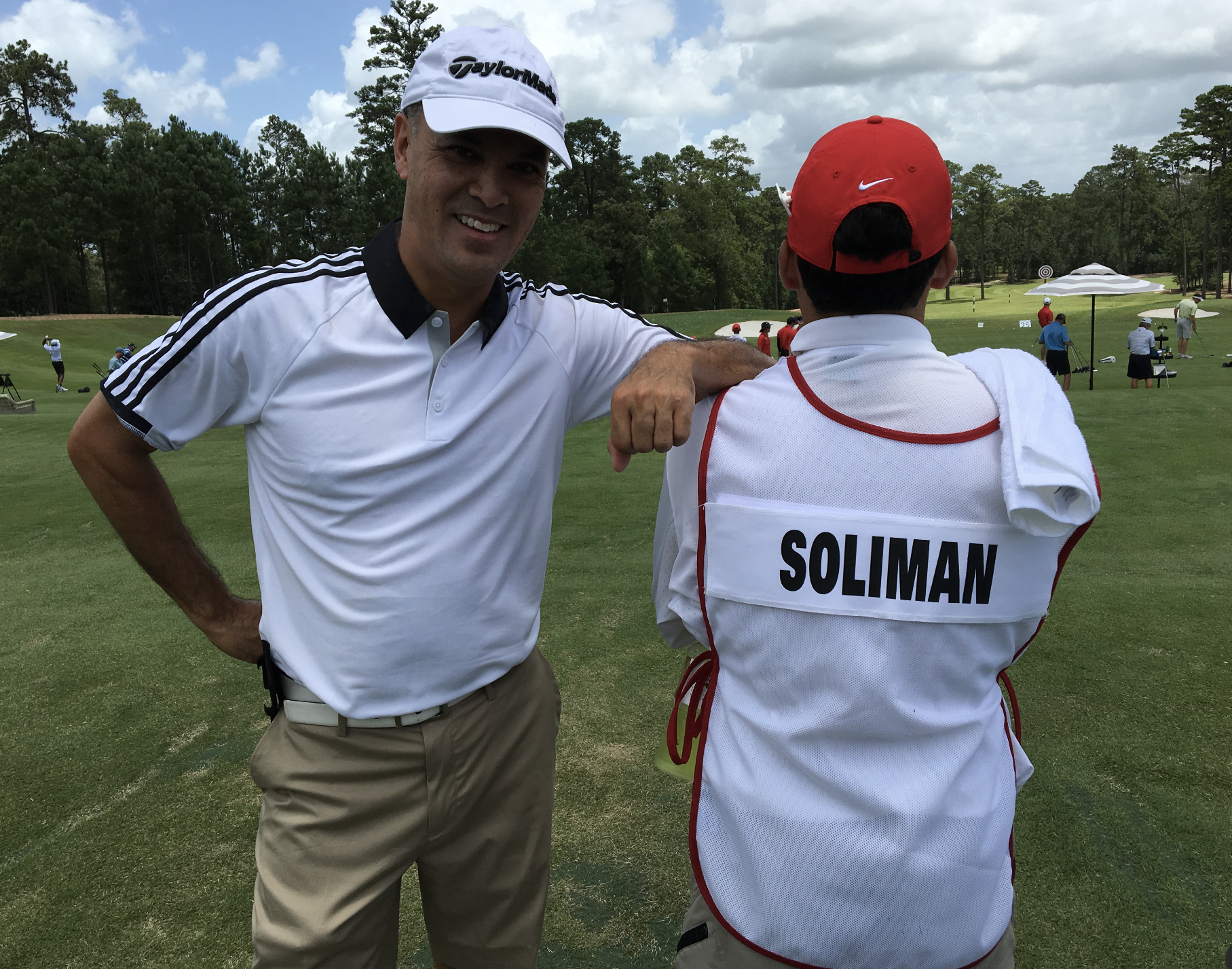
Joseph Soliman teaches AP US History along with two other senior electives: Black Lives in Post-Reconstruction America and Asian Americans: Migrant to Model Minorities. Beyond the classroom, he has served 17 seasons as head coach for varsity boys and girls golf and almost as many coaching eighth-grade boys basketball. Despite the demanding schedule, he emphasizes that enjoyment is essential to sustaining such a workload.
“I love coaching and playing golf, and on top of that, I love being in the classroom, teaching history,” Soliman said. “That’s what makes it work.”
Still, Soliman notes that balancing academics, athletics, and personal life require constant prioritization. Like many student-athletes, Soliman experiences significant time constraints, especially during the spring when golf season overlaps with AP exam preparation.
“Spring is definitely my busiest time of year,” Soliman said. “I don’t really have a deliberate plan to balance the two. I just make sure neither interferes with my family.”
Soliman’s commitment to coaching is deeply rooted in his own experience as a student. Growing up in Maryland at an independent school similar to SJS, his strongest mentors were teachers who also coached.
“My best mentors were usually those who were in the classroom,” Soliman said. “I still keep in touch with my tenth grade English teacher, who was also my golf coach.”
Although Soliman played golf competitively in high school and college, he stepped away from the sport after college to focus on teaching. Yet his passion never faded. Over the past decade and a half, he has coached both varsity and JV teams, often simultaneously, and still competes in amateur golf tournaments today.
Mr. Soliman is not alone in navigating this dual role. History teacher Eleanor Cannon also embodies the teacher-athlete identity at SJS. Cannon teaches HOTUS for juniors and a senior elective on the geopolitics and economics of energy, while also serving as the head JV field hockey coach.
Cannon teaches a full course load of four classes while coaching in the fall, a season she says suits both her sport and her schedule.
“I like coaching in the fall,” Cannon said. “It’s hot, but it’s compact. There aren’t many breaks, which actually makes it easier to stay focused and in-season.”
Like Soliman, Cannon sees coaching as an extension of her role as an educator, particularly in an independent school setting.
“One thing about independent schools is that we’re not just here to stuff information into students,” Cannon said. “The goal is community and connection, and coaching lets me interact with students in a completely different, more human way.”
That interaction, she explains, strengthens relationships far beyond the field. Coaching allows her to see students handle adversity, leadership and teamwork, skills that mirror the challenges of the classroom and of life.
Cannon also understands the pressures firsthand. As a former college athlete, she knows how demanding competitive sports can be, especially when paired with academic responsibilities.
“There are days when I come home completely beat,” Cannon admitted. “But you have to love the sport you play. When you remember why you’re doing it, the upside is always worth it.”
Though the hours are long and the workload heavy, both Soliman and Cannon continue to teach and coach for the same reason: passion. Their commitment reflects a model of education that values mentorship, balance and meaningful relationships, both in the classroom and on the field.
At SJS, teacher-athletes do more than teach lessons or run drills. They model hard work, resilience and the belief that learning does not end when the school day does.
It just moves to a different field.
Additional reporting by Nicolás Valderrábano and Hudson Brock.