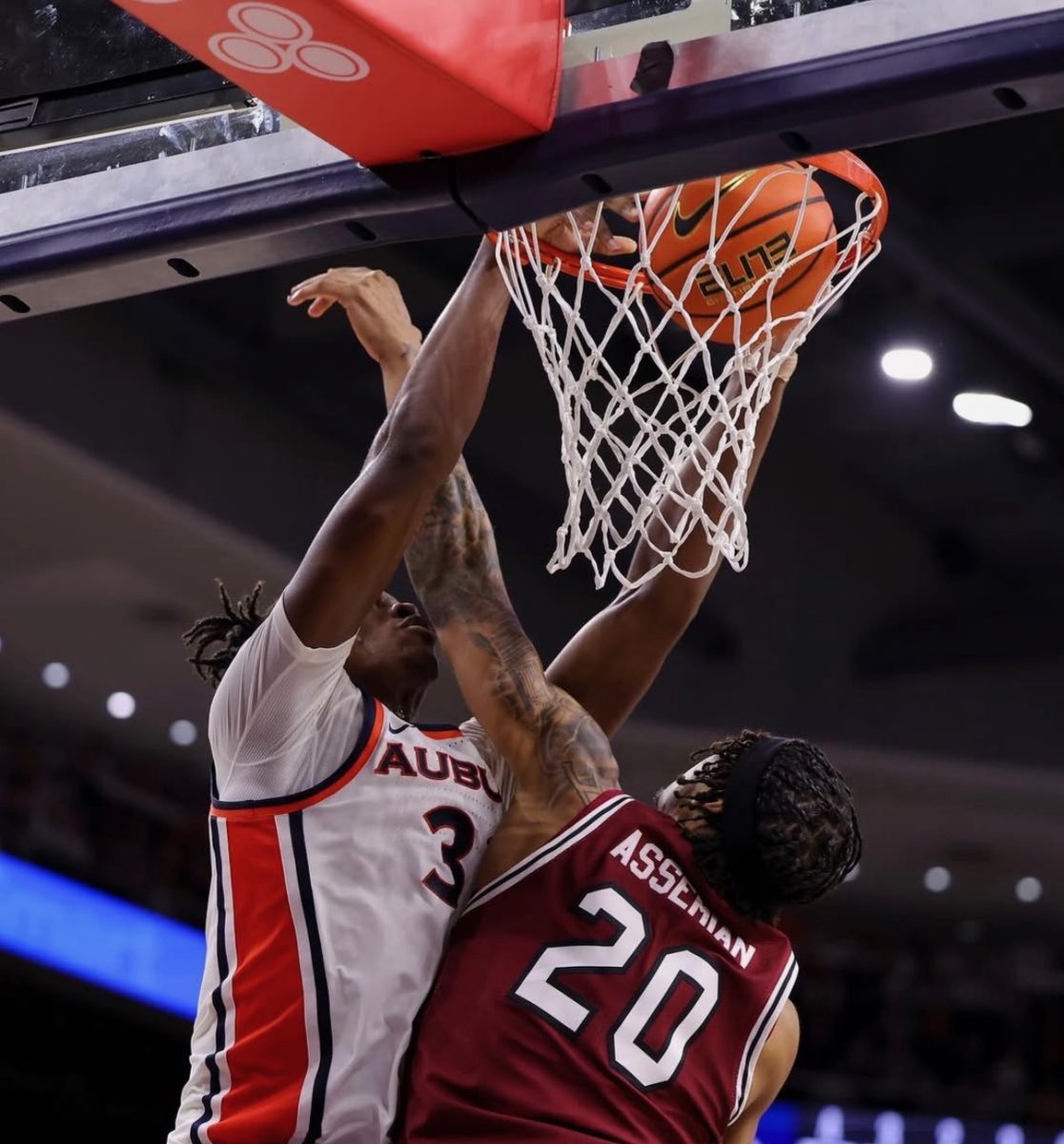

For decades, the Southeastern Conference was widely regarded as college football’s most prestigious conference, claiming 13 of 17 national titles between 2006 and 2022. During this era, the “S-E-C” chants that roared throughout stadiums were not only out of pride for their conference; they were also a warning to other conferences that the path to the championship ran through the South.
This year marks the third consecutive season that an SEC team does not appear in the College Football Championship game, the longest drought for the conference in 25 years. The invincibility of SEC programs, such as Alabama and Georgia, has disappeared, illustrated by a subpar 4-10 bowl record this postseason.
Why has the SEC’s grip on college football loosened, and what has led to the conference’s decline?
Between 2006 and 2022, the SEC was essentially a national championship factory, with unmatched dominance over any other conference. In a 17-year stretch, the SEC claimed 13 championships while having the only repeat champions in college football history in Alabama and Georgia.
Since then, the success of the SEC has significantly decreased. The SEC has not made an appearance in the championship game in the past three years, on top of a losing record in the postseason. Meanwhile, the Big 10 conference is beginning to claim the throne for the supreme conference in college football: the past three winners of the College Football Championship have come from three different Big 10 schools.
This season, teams from the Big 10 finished with a combined 11-5 in the postseason and 5-2 record in the playoffs, the best out of any conference, a stark contrast to the SEC’s 4-10 bowl game record and a 3-5 playoff record.
The SEC’s decline can be mainly attributed to this new era of NIL money and the transfer portal. NIL has acted as a “great equalizer” in college football, stripping the SEC of its monopoly on elite talent in the transfer portal and recruiting. Before, top talent went to SEC schools like Alabama and Georgia for their legacy and development system, but now, these same players are now choosing to attend other programs that are offering them tens of thousands of dollars on average, with even the most elite players being paid millions.
The historic rise of the Indiana Hoosiers is evidence of this. Before their head coach, Curt Cignetti, arrived in 2024, Indiana had the lowest winning percentage out of any program in college football history with 715 all-time losses. Yet, in this past season, Indiana stood on the podium as 16-0 national champions, the first title in school history. The Hoosiers’ strategic use of NIL money and the transfer portal allowed them to transform their roster, landing top-tier talent in the offseason, such as Heisman Award-winning quarterback Fernando Mendoza and top wide receiver Elijah Sarratt. While previously, these top players would have been competing on SEC rosters, the NIL system has allowed more parity throughout the league and has broken the SEC’s monopoly on elite talent. Now, historically struggling schools such as Indiana have the opportunity to obtain top talent and compete with the SEC powerhouses.
The fall of SEC supremacy signals a change within college football; tradition and legacy are no longer enough to win on their own. The balance of talent through NIL and the transfer portal has created a more equitable league, where strategic roster construction matters more than anything. As a result, the sport of college football is more competitive and unpredictable than ever before. College football has moved past the era of talent monopolies, and in this new world of NIL, the next national champion could come from anywhere.